
Facts about the Hermès Picotin
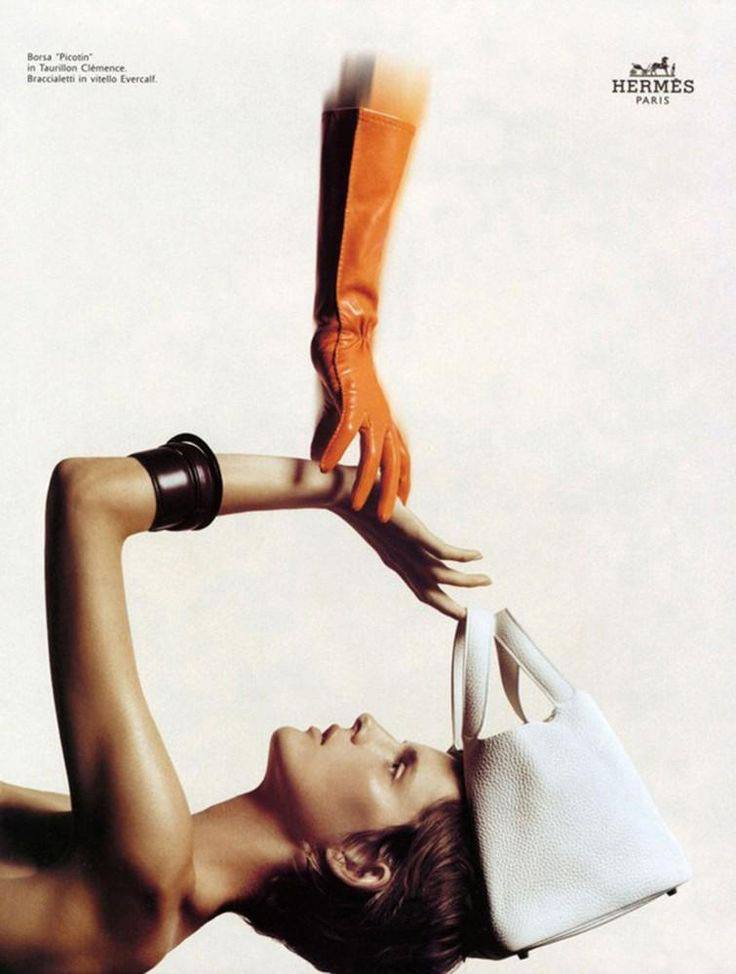
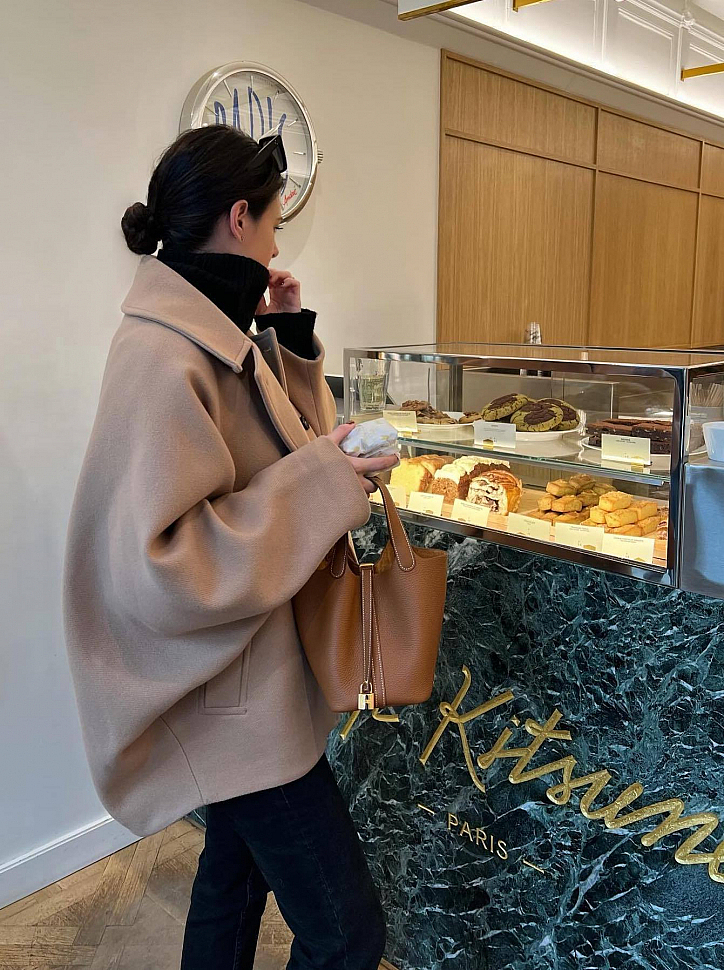
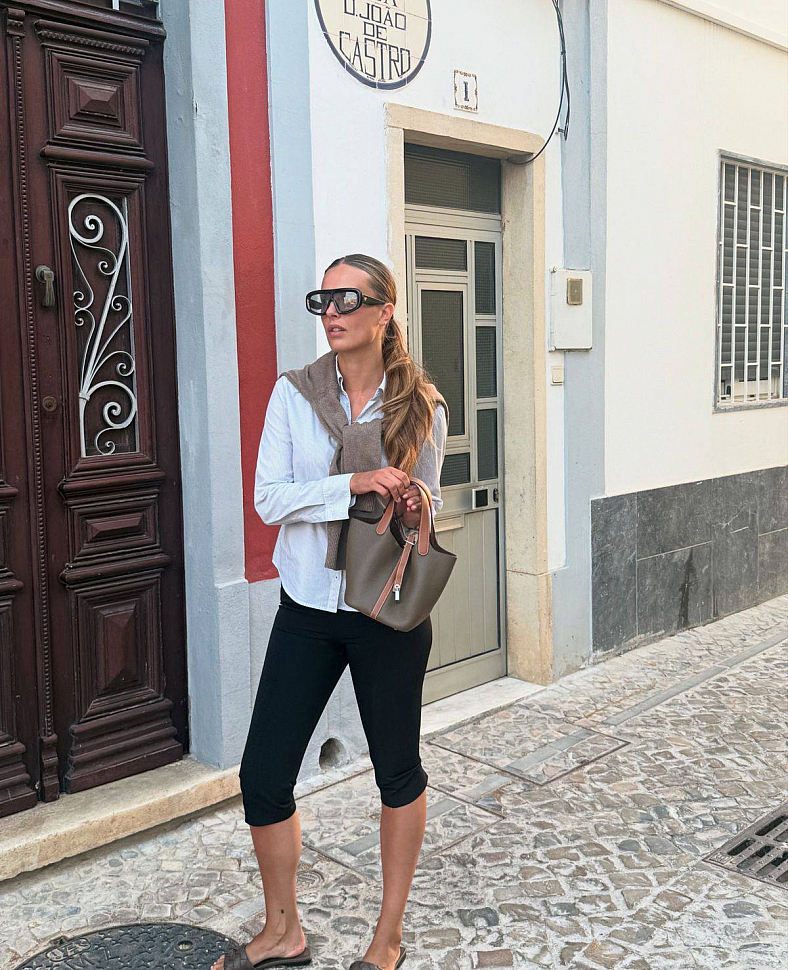
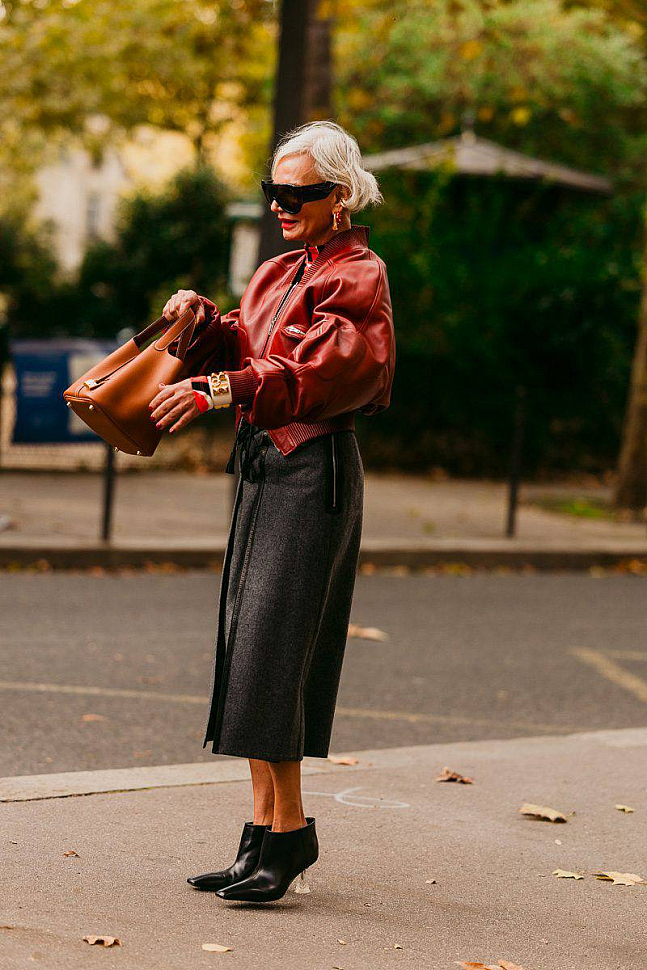
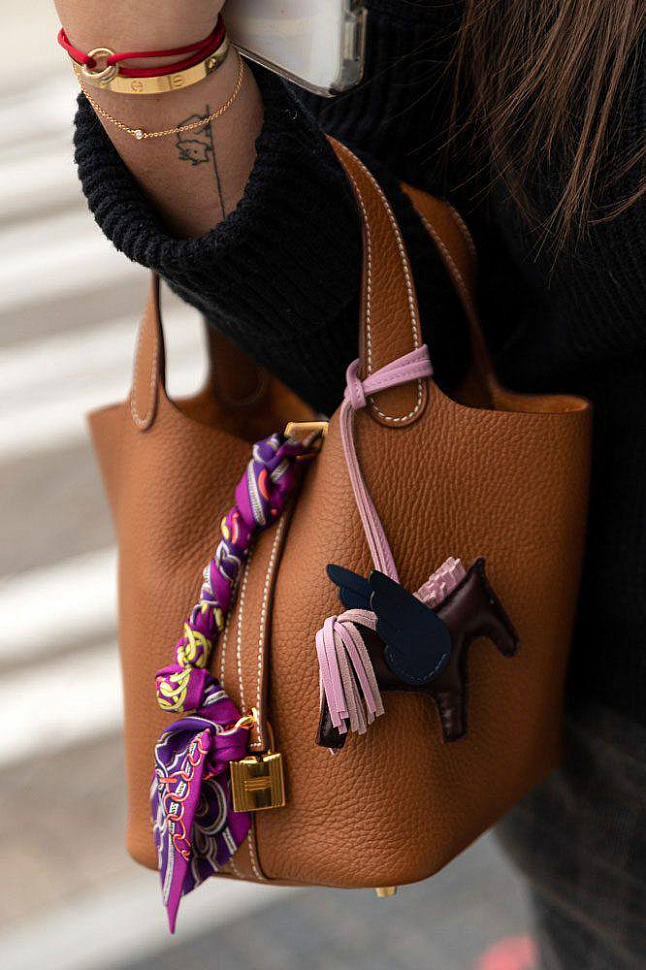
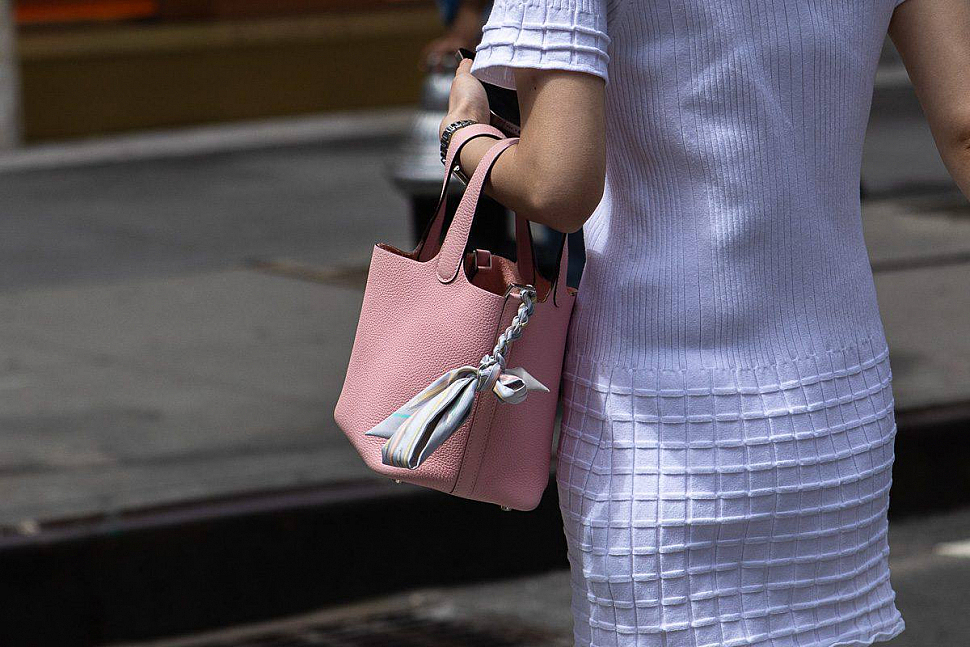
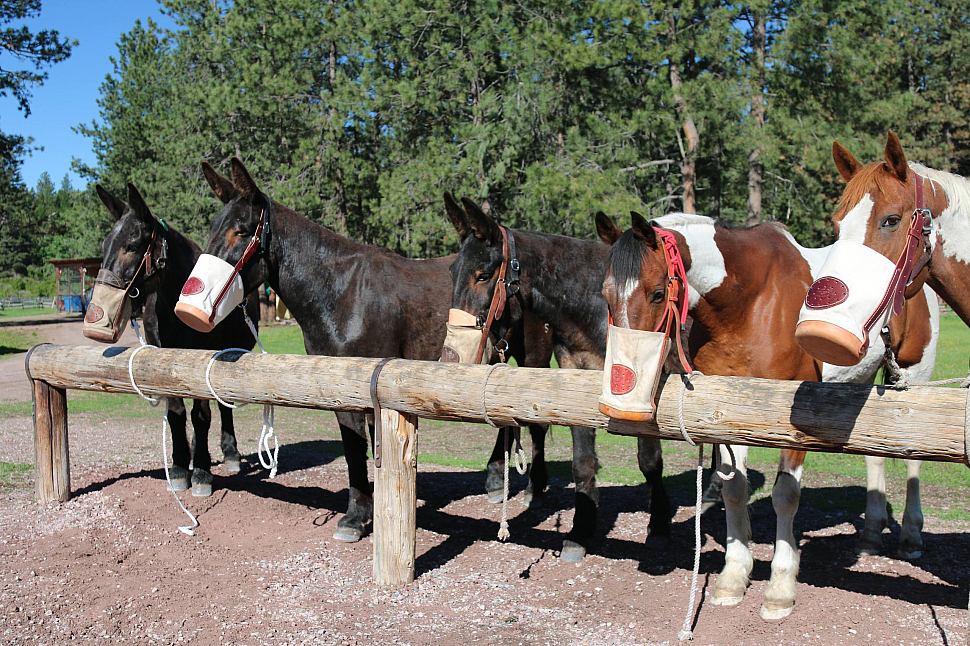

The bag's shape is inspired by the oat bucket that was hung from a horse's head. It is one of the most literal references to Hermès' equestrian heritage
• The first Picotins were produced without a padlock. The Picotin Lock version only appeared in 2008 and gradually completely replaced the original model. Today, lockless models are considered valuable vintage pieces.
• When the Picotin was introduced in 2002, it didn't generate the same buzz as other models like the Birkin or Kelly.
• The Picotin has no lining or internal pockets. This minimalist approach makes the bag lighter and highlights the quality of the materials.
• The most popular size is the Picotin 18. It is considered ideal for everyday wear and is exactly what collectors seek out most often.
• Most Picotins are crafted from Clemence leather — soft, grainy, and supple. Over time, the bag becomes even more relaxed and takes on that signature "slouchy" shape.
• Despite its simple construction, each Picotin is hand-assembled by Hermès craftspeople using traditional saddle-stitching techniques.
• Over the years, Hermès has released dozens of rare Picotin versions: the Cargo with external pockets, woven Tressé versions, two-tone models, and even the Micro Picotin 14, which instantly became a collector's holy grail.
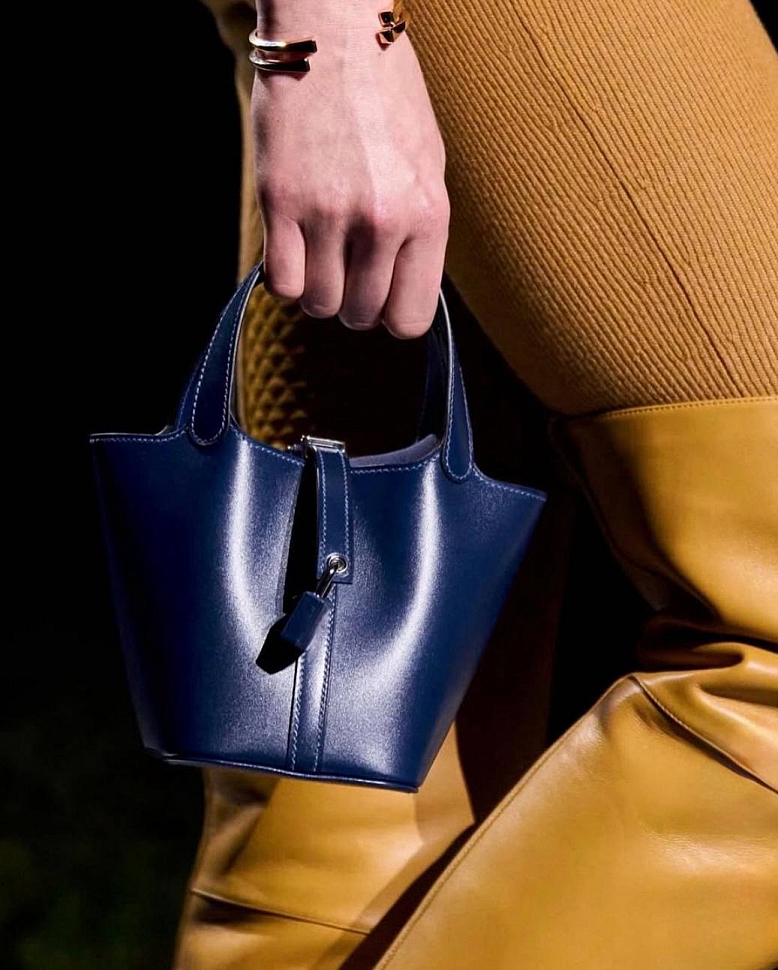
• In the new SS 2026 season, this model was presented for the first time in Blue Box leather.
